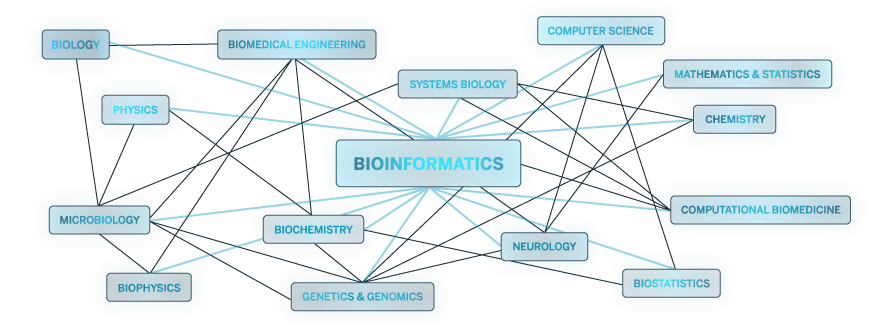
Bioinformatics: We can learn a lot from other species
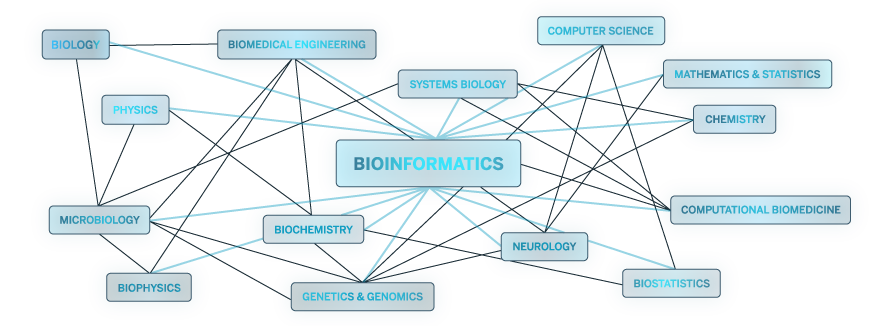
Posted on 21/11/2015
Bioinformatics is a useful tool testing the fundamental principles on which life science is built. In other words, bioinformatics has been confirmed that the studying of genes we share with other animals is effective. Researchers understand how our bodies work and how diseases progress by studying genes. Using model species such as mice, zebra fish, eggs and frogs to mimic some principles in human biology is a common way to study genes and their function. In addition, some techniques including knock-out, forward and reverse genetics are widely use for understanding the expression of specific or wanted genes. We also can apply these conceptions to many other species from a few model species. Orthologs and paralogs represent genes in humans and mice that the descending from a common ancestor or comparing imperfect copies of genes within a human being respectively. However, there hasn’t been enough data to prove that the study of orthologs is indeed useful to all of life. In contrast, current experimental annotations do support the standard model assuming that studying the genes of other species is helpful of human biology. In sum, there are a long way still to go in this new area.
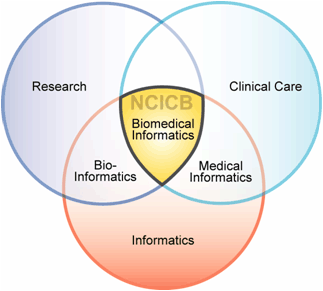
Comment: Bioinformatics is a useful tool in all aspects but we are only in the beginning. Besides, problems as overlooked biases in the collective knowledge of gene function may occur in several controversial results. Therefore, whether this innovative experimental method is relevant and useful or not, we need to study and compare more data. Without a doubt that opening science in bioinformatics is a improvement for researching genome sequences and experimental knowledge. The ultimate goal is to provide next generation of infrastructure for biological information in worldwide.
Reference:
sciencedaily.com/…012/05/120517192929.htm
ncicb.nci.nih.gov/…/NCICB/images/venn.gif

bu.edu/…04/bioinformatics-departments.png