Diabetic eye screenings via telemedicine show value for underserved communities
[embed]https://www.youtube.com/watch?v=glG04go5hlQ[/embed]
Posted on 11/11/2015
Diabetic retinopathy, the most common diabetic eye disease, mainly leads to the blindness in adults. Using telemedicine screening approach is the best way to follow up the patient with both type 1 and type 2 diabetes. This method can provide early validation of the efficacy of telemedicine in reaching underserved populations. In addition, it is effective to monitor early diagnosis of diabetic retinopathy and offer glycemic control, a key element in slowing the progression of diabetes. The screening method is simple and cost-effective. With a nonmydriatic camera, the researcher can acquire images in the study locations by using the camera taking three images of the eye. Besides, the process is not time-consuming and is noninvasive for the patient and the operation of the camera is not complicated for operators so that they do not require advanced training. The study is aim to facilitate and concentrate on areas where is lack of clinical settings.
[caption id=”attachment_39” align=”alignnone” width=”300”]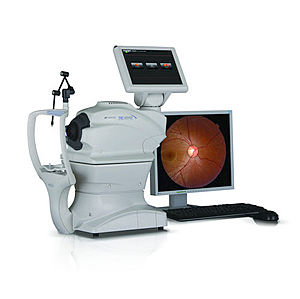 Diabetic eye telemedicine screening–Ophthalmology[/caption]
Comment: Although there are barriers to regular vision cares for minorities, early detection raise the chance to cure the diseases. Therefore, it is really crucial to apply this invention into countryside and detect a significant number of eye conditions at an early stage for early treatment. The ultimate goal is to expand this technology to regions that may be experiencing a shortage of ophthalmologists and optometrists.
Reference:
http://www.sciencedaily.com/releases/2014/11/141113161938.htm