3D bone marrow made from silk biomaterials successfully generates platelets
[caption id=”attachment_14” align=”alignnone” width=”300”]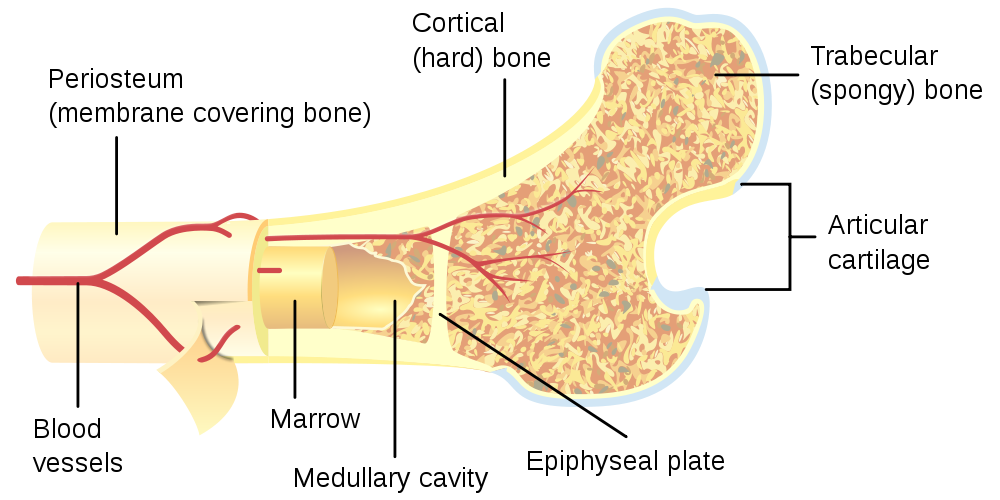 3D bone marrow made from silk biomaterials[/caption]
Posted on 30/09/2015
Scientists have successfully developed a 3D tissue-engineered model of bone marrow producing functional human platelets outside the body. Why is this research so important? Because it satisfies the huge demand of therapeutic quantities of platelets that can be used to cure several platelet disorders such as thrombocytopenia, altered platelet function and thrombocytosis. Those abnormal function or amount of platelets may lead to fatal defect in the body. Therefore, generating functional and economic platelets could be the most effective way to solve the problem of insufficient supply of platelets. The researchers devoted to mimic the complex environment where megakaryocytes develop and mature into platelets so as to find out the secret of forming the platelets. First, they focus on the components that support the formation of human platelets including growth factors and signals around the bone marrow. Second, they concentrate on the adhesion part of the cell, for example: ECM, providing structural and biochemical support to the surrounding cells. They imitate the ECM and formed silk scaffolds of different thicknesses and stiffness combined with growth factors, in order to test the success of megakaryocyte adhesion and the formation of megakaryocytes fragmenting into platelets. The aim is to guide the cell growing into the right direction. Third, the scientists even mimic the environment of the blood flows and microvasculature to cultivate platelets. Last, researchers create the complete microenvironment where platelets are formed and test whether those artificial platelets were functional or not. The ultimate goal is to increase the yields and mass production.
[caption id=”attachment_15” align=”alignnone” width=”300”]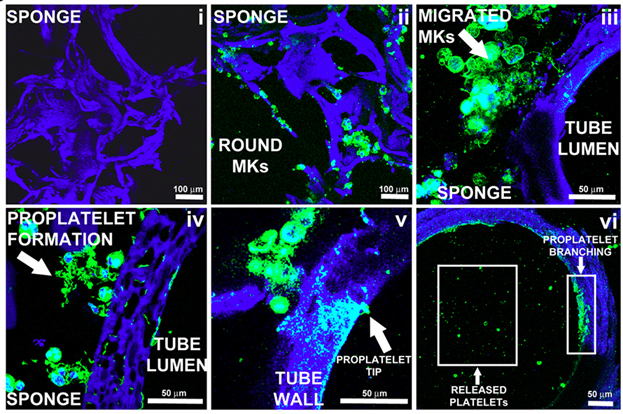 3D bone marrow made from silk biomaterials[/caption]
Comment: It is an absolutely amazing technological innovation as it is not only economical but also provide an adequate supply of platelets and eliminate graft rejection reaction compared with traditional method to gain and transplant platelets. With those new biomaterials, we can collect the platelets in vitro instead of taking blood from the donor and isolated them from collected units of whole blood. However, it is never an easy task to create molecules outside our body. Scientists may encounter lots of difficulties like maintaining the function of the cell and transplanting into patients. In sum, I believe that one day the scientists will create therapeutic quantities of platelets on demand.
Reference:
https://en.wikipedia.org/wiki/Platelet#Therapy_with_platelets